-
What happened?
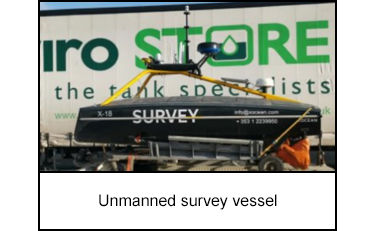
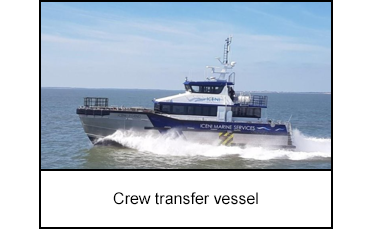
While transiting between turbines, a crew transfer vessel (CTV) collided with an unmanned survey vessel (USV) carrying out survey work on site.
Three technicians and three crew members were on board the CTV. No injuries were reported.
The CTV sustained damage to its port bow. Water entered the hull and propulsion spaces, activating bilge alarms; pumps were deployed and emergency procedures were followed.
The USV sank. Its location was known and monitored.
A lifeboat escorted the CTV back to port, where the technicians disembarked and received welfare checks and a debrief.
-
Why did it happen?
The watchkeeper did not detect the USV, despite being well placed to do so.
Sun glare reduced visibility, and the master did not navigate with sufficient caution.
The RADAR had been set to standby and was not reinstated after the previous transfers, despite the elapsed time.
The safe navigation procedure IM-H&S-Pro-32 and bridging procedure SOP121 were not followed in full.
The CTV did not comply with Rule 8 on action to avoid collision.
-
What did they learn?
Environmental, operational and procedural factors combined to reduce situational awareness at a critical moment.
Key causes included procedures and risk assessments not being fully followed, radar not being used and insufficient caution during navigation.
Vessel separation and operational planning will be strengthened to reduce interaction between crewed and uncrewed vessels.
Communication between vessel operators and coordination teams will be improved before, during and after survey activities.
Use further controls including automatic identification system (AIS) checks, direct radio communication, enhanced signalling and improved vessel visibility.

-
Ask yourself or your crew
Are we fully following the navigation procedures and risk assessment, including the correct use of radar at all times?
How are we maintaining situational awareness when visibility is affected by sun glare, weather or other environmental conditions?
Do we have effective communication, separation and monitoring arrangements in place between crewed and uncrewed vessels before operations begin?
How could a similar collision occur during our operations, and what additional controls would prevent it?

Add to homescreen
Content name
Select existing category:
Content name
New collection
Edit collection

What happened?
While transiting between turbines, a crew transfer vessel (CTV) collided with an unmanned survey vessel (USV) carrying out survey work on site.
Three technicians and three crew members were on board the CTV. No injuries were reported.
The CTV sustained damage to its port bow. Water entered the hull and propulsion spaces, activating bilge alarms; pumps were deployed and emergency procedures were followed.
The USV sank. Its location was known and monitored.
A lifeboat escorted the CTV back to port, where the technicians disembarked and received welfare checks and a debrief.

Why did it happen?
The watchkeeper did not detect the USV, despite being well placed to do so.
Sun glare reduced visibility, and the master did not navigate with sufficient caution.
The RADAR had been set to standby and was not reinstated after the previous transfers, despite the elapsed time.
The safe navigation procedure IM-H&S-Pro-32 and bridging procedure SOP121 were not followed in full.
The CTV did not comply with Rule 8 on action to avoid collision.

What did they learn?
Environmental, operational and procedural factors combined to reduce situational awareness at a critical moment.
Key causes included procedures and risk assessments not being fully followed, radar not being used and insufficient caution during navigation.
Vessel separation and operational planning will be strengthened to reduce interaction between crewed and uncrewed vessels.
Communication between vessel operators and coordination teams will be improved before, during and after survey activities.
Use further controls including automatic identification system (AIS) checks, direct radio communication, enhanced signalling and improved vessel visibility.

Ask yourself or your crew
Are we fully following the navigation procedures and risk assessment, including the correct use of radar at all times?
How are we maintaining situational awareness when visibility is affected by sun glare, weather or other environmental conditions?
Do we have effective communication, separation and monitoring arrangements in place between crewed and uncrewed vessels before operations begin?
How could a similar collision occur during our operations, and what additional controls would prevent it?
A crew transfer vessel collided with an unmanned survey vessel, causing hull damage and sinking the survey vessel.