-
What happened?
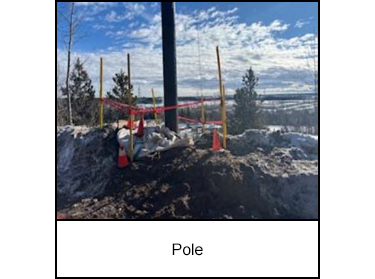
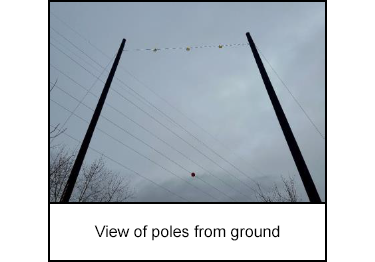
Workers were tasked with installing snare wires (a short length of wire used to temporarily secure or "snare" a cable, conductor, or guy wire during installation, maintenance, or repair work). As the utility worker completed their task they proceeded to climb down the pole.
As the utility worker stepped down, their right foot kicked out (gaffed out) and they slid down the pole approx. 50ft (15.2m) to the ground.
-
Why did it happen?
Through the investigation the evidence revealed a deviation in the use of the climbing gear and that the worker naturally reacted in a way that prevented the climbing gear from choking the pole and stopping the fall. The pole choker was adjusted too large at the top of the pole. Climbing practices dictate to adjust your pole choker in intervals on the way down.
According to the manufacture guidelines of the climbing gear/pole choker, they do not have a recommendation for service/retirement life from date of manufacture. This is supported by Part 9, Section 142 (1, 2) of the Alberta Occupational Health and Safety Code. The manufacture dictates that end users do a thorough pre-use inspection and to immediately remove from service if any deficiencies are identified.
-
What did they learn?
A comprehensive review of available utility pole climbing equipment will be conducted, with a focus on identifying alternative systems that are safer, less physically demanding, and easier to use. This includes evaluating modern pole climbing technologies and fall protection systems that offer improved ergonomics and enhanced user safety. Recommendations for new equipment or modifications to existing procedures that will reduce the risk of falls and ensure consistent, safe usage across all crews. Field trials and feedback from experienced climbers will be incorporated before final recommendations are implemented.

-
Ask yourself or your crew
How could a similar incident occur at your location?
Are your pre-use equipment inspections thorough and focused on the most critical components?
Where in your operations could a single component failure lead to a catastrophic event?
Are you or your crew ever in the line of fire during routine tasks?

Add to homescreen
Content name
Select existing category:
Content name
New collection
Edit collection

What happened?
Workers were tasked with installing snare wires (a short length of wire used to temporarily secure or "snare" a cable, conductor, or guy wire during installation, maintenance, or repair work). As the utility worker completed their task they proceeded to climb down the pole.
As the utility worker stepped down, their right foot kicked out (gaffed out) and they slid down the pole approx. 50ft (15.2m) to the ground.

Why did it happen?
Through the investigation the evidence revealed a deviation in the use of the climbing gear and that the worker naturally reacted in a way that prevented the climbing gear from choking the pole and stopping the fall. The pole choker was adjusted too large at the top of the pole. Climbing practices dictate to adjust your pole choker in intervals on the way down.
According to the manufacture guidelines of the climbing gear/pole choker, they do not have a recommendation for service/retirement life from date of manufacture. This is supported by Part 9, Section 142 (1, 2) of the Alberta Occupational Health and Safety Code. The manufacture dictates that end users do a thorough pre-use inspection and to immediately remove from service if any deficiencies are identified.

What did they learn?
A comprehensive review of available utility pole climbing equipment will be conducted, with a focus on identifying alternative systems that are safer, less physically demanding, and easier to use. This includes evaluating modern pole climbing technologies and fall protection systems that offer improved ergonomics and enhanced user safety. Recommendations for new equipment or modifications to existing procedures that will reduce the risk of falls and ensure consistent, safe usage across all crews. Field trials and feedback from experienced climbers will be incorporated before final recommendations are implemented.

Ask yourself or your crew
How could a similar incident occur at your location?
Are your pre-use equipment inspections thorough and focused on the most critical components?
Where in your operations could a single component failure lead to a catastrophic event?
Are you or your crew ever in the line of fire during routine tasks?
A utility worker slid 50ft (15m) down a pole after gaffing out due to incorrectly adjusted climbing gear, resulting in an uncontrolled descent.
Original material courtesy of Energy Safety Canada