-
What happened?
Workers pulled 73mm (2.9”) production tubing from the well. After changing the rams, slip dies and elevators, the rams were pressure tested. Rental slimhole elevators were used to remove the tubing hanger and pup joint for a sizing check. After tallying the pipes and inspecting the work spool, they began running 60.3mm (2.4”) tubing with slimhole collars back into the well.
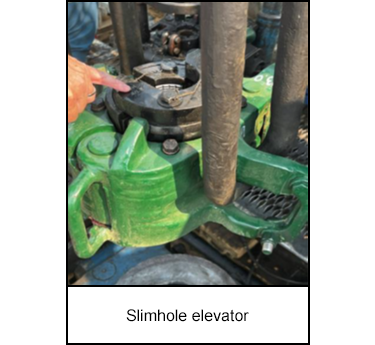
During this process, the Rig Manager (Push) was on the rig floor and made the first latch on the slimhole tubing string. When the driller lifted the joint from the pipe trailer, it slipped through the elevator, fell to the rig floor and struck the Push on the head and back, resulting in serious injuries.
-
Why did it happen?
Multiple factors contributed to this incident. Despite the Well Site Supervisor’s (WSS) request for correctly-sized elevators, the wrong size was delivered.
The following gaps identified during the investigation help explain why this hazard went unnoticed:
- Delivery paperwork confirmed the correct elevators; however, Floor Hands placed them on the skate without further verification.
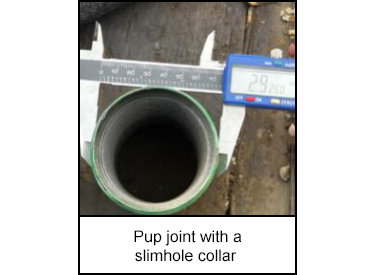
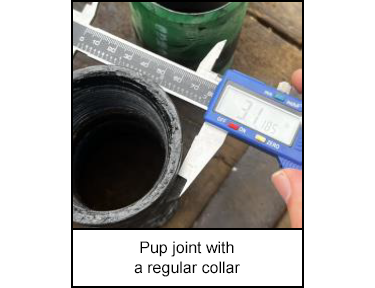
- The Push instructed the Lease Hand to retrieve the pup joint (6ft / 1.8m) and tubing hanger for the function test. The lease hand mistakenly selected a pup joint with a regular collar (3.1" / 7.9cm) instead of a slimhole collar (2.9" / 7.4cm).
The rig crew conducted the function test using the incorrect collar size. The test was deemed successful but did not reflect actual operating conditions.
Industry feedback indicates that dropped tubing joints occur more frequently than expected. Differences between elevator types present a hazard and highlight an opportunity to strengthen well servicing training.
-
What did they learn?
Formalise procedures for the test, clearly defining roles and responsibilities of the WSS and Push, who now must personally witness and document test completion.
Train all personnel on how to identify different slips and slimhole collars.
Implement routine management verification to ensure procedures are followed.
-
Ask yourself or your crew
How could a similar incident occur at your location?
Are your pre-use equipment inspections thorough and focused on the most critical components?
Where in your operations could a single component failure lead to a serious incident?
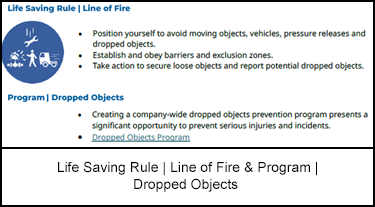
Are you or your crew ever in the line of fire during routine tasks?
Add to homescreen
Content name
Select existing category:
Content name
New collection
Edit collection

What happened?
Workers pulled 73mm (2.9”) production tubing from the well. After changing the rams, slip dies and elevators, the rams were pressure tested. Rental slimhole elevators were used to remove the tubing hanger and pup joint for a sizing check. After tallying the pipes and inspecting the work spool, they began running 60.3mm (2.4”) tubing with slimhole collars back into the well.
During this process, the Rig Manager (Push) was on the rig floor and made the first latch on the slimhole tubing string. When the driller lifted the joint from the pipe trailer, it slipped through the elevator, fell to the rig floor and struck the Push on the head and back, resulting in serious injuries.

Why did it happen?
Multiple factors contributed to this incident. Despite the Well Site Supervisor’s (WSS) request for correctly-sized elevators, the wrong size was delivered.
The following gaps identified during the investigation help explain why this hazard went unnoticed:
- Delivery paperwork confirmed the correct elevators; however, Floor Hands placed them on the skate without further verification.
- The Push instructed the Lease Hand to retrieve the pup joint (6ft / 1.8m) and tubing hanger for the function test. The lease hand mistakenly selected a pup joint with a regular collar (3.1" / 7.9cm) instead of a slimhole collar (2.9" / 7.4cm).
The rig crew conducted the function test using the incorrect collar size. The test was deemed successful but did not reflect actual operating conditions.
Industry feedback indicates that dropped tubing joints occur more frequently than expected. Differences between elevator types present a hazard and highlight an opportunity to strengthen well servicing training.

What did they learn?
Formalise procedures for the test, clearly defining roles and responsibilities of the WSS and Push, who now must personally witness and document test completion.
Train all personnel on how to identify different slips and slimhole collars.
Implement routine management verification to ensure procedures are followed.

Ask yourself or your crew
How could a similar incident occur at your location?
Are your pre-use equipment inspections thorough and focused on the most critical components?
Where in your operations could a single component failure lead to a serious incident?
Are you or your crew ever in the line of fire during routine tasks?
A slimhole tubing joint slipped through an elevator and fell to the rig floor, striking the Rig Manager and causing serious head and back injuries.
Original material courtesy of Energy Safety Canada

https://www.energysafetycanada.com/Standards/Programs/Dropped-Objects