-
What happened?
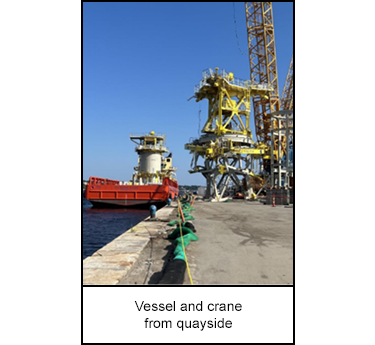
During a heavy lift operation using a crane from quayside to a vessel, a large equipment assembly fell approximately 12 metres (39 feet).
The assembly included an installation tool and structural components with a combined weight of approximately 217 US tons (198 metric tonnes).
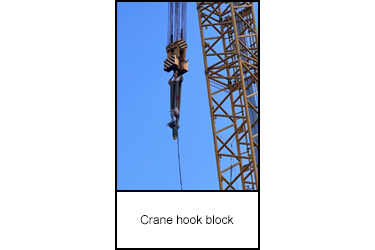
While the crane slewed to the right to position the load, a loud "pop" was heard, and the quick-disconnect mechanism failed.
The load disengaged and fell to the quayside, landing upright between other structures.
There were no injuries, no environmental spills, and no damage to the crane or surrounding structures.
The area was immediately secured, and all personnel were accounted for.
-
Why did it happen?
There was no interface procedure to ensure compatibility between equipment from different suppliers.
Personnel lacked adequate training and familiarization with the specific equipment being used for the lift.
Critical equipment, such as crane proximity sensors, was not used during the operation; visual confirmation was relied upon instead.
There was no evidence of formal documentation or recording of the visual connection check.
A Management of change (MoC) process was not followed when modifying procedures, such as removing use of the proximity sensor.
Communication gaps existed between offshore and onshore teams regarding operational changes.
-
What did they learn?
All critical safety systems and equipment must be fully operational and used during all operations.
Required documentation (plans, manuals, certifications) must be in place and verified before starting any activity, including how different pieces of equipment from different manufacturers can work together.
All deviations from standard procedures must be controlled through a formal Management of change process.
Project communication processes must ensure that critical updates and any changes are shared formally and acknowledged.

-
Ask yourself or your crew
Do we always verify the compatibility of equipment from different sources before operations?
How do we ensure changes to procedures are properly managed and communicated?
Are we consistently using all required safety systems, even if the task seems routine?
Is our team fully trained and familiar with the specific equipment they are using today?
What checks are in place to make sure all critical documents are in hand before starting high-risk operations?

Add to homescreen
Content name
Select existing category:
Content name
New collection
Edit collection

What happened?
During a heavy lift operation using a crane from quayside to a vessel, a large equipment assembly fell approximately 12 metres (39 feet).
The assembly included an installation tool and structural components with a combined weight of approximately 217 US tons (198 metric tonnes).
While the crane slewed to the right to position the load, a loud "pop" was heard, and the quick-disconnect mechanism failed.
The load disengaged and fell to the quayside, landing upright between other structures.
There were no injuries, no environmental spills, and no damage to the crane or surrounding structures.
The area was immediately secured, and all personnel were accounted for.

Why did it happen?
There was no interface procedure to ensure compatibility between equipment from different suppliers.
Personnel lacked adequate training and familiarization with the specific equipment being used for the lift.
Critical equipment, such as crane proximity sensors, was not used during the operation; visual confirmation was relied upon instead.
There was no evidence of formal documentation or recording of the visual connection check.
A Management of change (MoC) process was not followed when modifying procedures, such as removing use of the proximity sensor.
Communication gaps existed between offshore and onshore teams regarding operational changes.

What did they learn?
All critical safety systems and equipment must be fully operational and used during all operations.
Required documentation (plans, manuals, certifications) must be in place and verified before starting any activity, including how different pieces of equipment from different manufacturers can work together.
All deviations from standard procedures must be controlled through a formal Management of change process.
Project communication processes must ensure that critical updates and any changes are shared formally and acknowledged.

Ask yourself or your crew
Do we always verify the compatibility of equipment from different sources before operations?
How do we ensure changes to procedures are properly managed and communicated?
Are we consistently using all required safety systems, even if the task seems routine?
Is our team fully trained and familiar with the specific equipment they are using today?
What checks are in place to make sure all critical documents are in hand before starting high-risk operations?
During a heavy lift, the quick-disconnect failed and a 198t load fell 12m to the quayside. No injuries, spills, or damage occurred.