-
What happened?
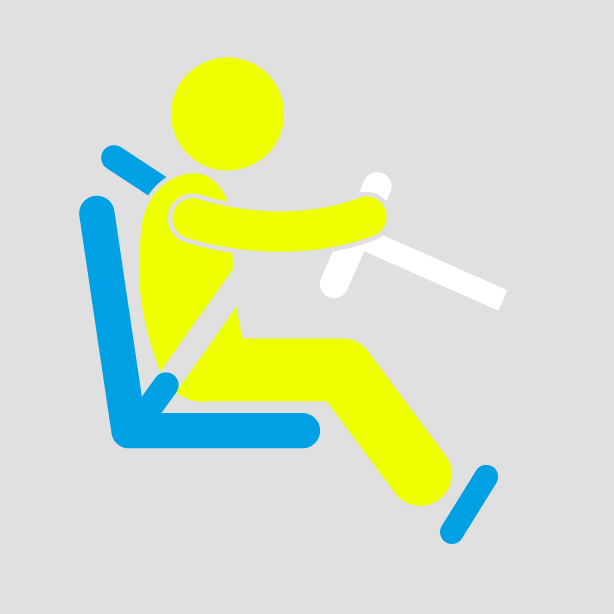
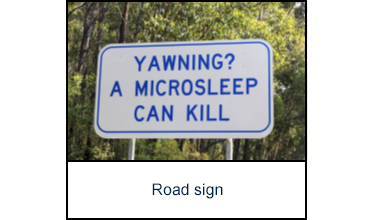
A driver experienced a microsleep while behind the wheel of a moving light vehicle at about 1:00pm.
The fatigue monitoring system in the vehicle was triggered and it alerted the driver by vibrating the driver’s seat and sounding an audible alarm.
The driver was able to pull over and complete the journey safely.
-
Why did it happen?
The driver had sealed the cabin of the light vehicle (windows wound up, air conditioning recirculating, heater on) to create a “cosy” environment. This contributed to the onset of the microsleep.
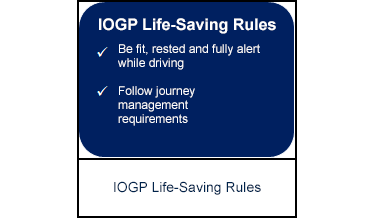
Driver had declared they were fit for work on day of event with adequate sleep and was not under the influence of drugs or alcohol.
The activity which required the driver to be on the road was an ad-hoc task.
-
What did they learn?
The fatigue monitoring system installed in the light vehicle had activated as intended, creating an environment for the driver to fail safely.

-
Ask yourself or your crew
Do you plan your work activities to reduce the likelihood of ad-hoc or unplanned trips?
How do you make sure that you do not drive when you are fatigued? What do you do if you feel fatigued while driving?
Are the vehicles that you drive at work fitted with fatigue monitoring devices?

Add to homescreen
Content name
Select existing category:
Content name
New collection
Edit collection

What happened?
A driver experienced a microsleep while behind the wheel of a moving light vehicle at about 1:00pm.
The fatigue monitoring system in the vehicle was triggered and it alerted the driver by vibrating the driver’s seat and sounding an audible alarm.
The driver was able to pull over and complete the journey safely.

Why did it happen?
The driver had sealed the cabin of the light vehicle (windows wound up, air conditioning recirculating, heater on) to create a “cosy” environment. This contributed to the onset of the microsleep.
Driver had declared they were fit for work on day of event with adequate sleep and was not under the influence of drugs or alcohol.
The activity which required the driver to be on the road was an ad-hoc task.

What did they learn?
The fatigue monitoring system installed in the light vehicle had activated as intended, creating an environment for the driver to fail safely.

Ask yourself or your crew
Do you plan your work activities to reduce the likelihood of ad-hoc or unplanned trips?
How do you make sure that you do not drive when you are fatigued? What do you do if you feel fatigued while driving?
Are the vehicles that you drive at work fitted with fatigue monitoring devices?
Driver experienced a microsleep while driving a light vehicle. The in-vehicle fatigue monitoring system alerted them via seat vibration and audible alarm, enabling a safe stop.
Original material courtesy of Safer Together (Australia)
To access the PDF and PowerPoint versions, please visit https://www.safertogether.com.au/learning-event-bulletins