-
What happened?
Pipelines have experienced increased levels of induced alternating current (IAC) on metallic assets and above ground valve stations due to the greater demands for electricity and congestion of combined power line / pipeline rights-of-way (ROW).
Historically, IAC had not been an issue in many locations, because of less congested ROWs and older pipeline coatings with lower dielectric strength.
The purpose of this alert is to raise awareness of risks related to IAC on assets in proximity of high voltage overhead lines (HVOL), including:
- electric shock and spark hazard to operators and contractor personnel, and
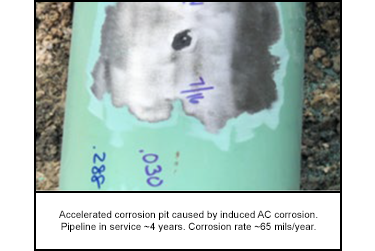
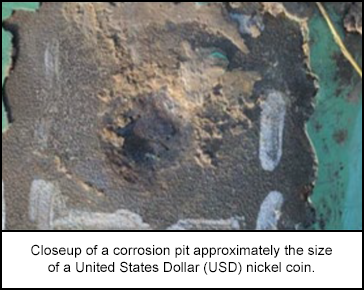
- localised high corrosion rates at coating defects.

-
Why did it happen?
With increased electricity demand, IAC can be a threat in locations where not previously a concern, specifically, where HVOLs are being built and sharing ROW with existing pipelines.
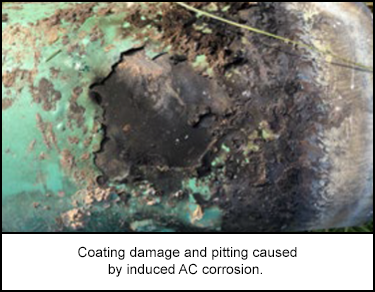
Modern pipeline coatings provide better corrosion protection; however, they have electrical insulation properties, so they ‘hold’ an AC charge. The AC can be discharged at any point where the coating is damaged, or at electrically continuous items such as valve handles potentially resulting in:
- AC induced corrosion, and/or
- risk of electrical shocks or sparking.
-
What did they learn?
Safeguard considerations:
- Detailed assessment to identify and quantify the risk of IAC as defined in applicable industry standards.
- Where the potential for induced AC exists, undertake a review of routine CIPS (Close interval pipe-soil potential survey) and DCVG (Direct current voltage gradient) (or ACVG) pipeline survey results to monitor pipeline potential.
- Prioritise repair of pipeline coating defects when IAC is present, to mitigate possible IAC discharge and associated corrosion.
- Where IAC may be present, ensure Job safety analysis addresses the threat, and pre-job safety checks are completed.
-
Ask yourself or your crew
Have new installations occurred in existing ROW?
Have pipelines in proximity with HVOLs been assessed for IAC?
Prior to starting excavation work in pipeline ROW, do personnel understand the potential IAC risk and undertake pre-job IAC safety checks?
Are appropriate IAC mitigation measures deployed in your company?
Are routine monitoring programs, such as CIPS, DCVG or ACVG, in place to record and trend IAC voltages and assess coating damage?
Are HVOLs operating with higher voltages and current?
Have business partners experienced shocks when conducting work?
Do pipeline coatings show evidence of burnt markings?
Add to homescreen
Content name
Select existing category:
Content name
New collection
Edit collection

What happened?
Pipelines have experienced increased levels of induced alternating current (IAC) on metallic assets and above ground valve stations due to the greater demands for electricity and congestion of combined power line / pipeline rights-of-way (ROW).
Historically, IAC had not been an issue in many locations, because of less congested ROWs and older pipeline coatings with lower dielectric strength.
The purpose of this alert is to raise awareness of risks related to IAC on assets in proximity of high voltage overhead lines (HVOL), including:
- electric shock and spark hazard to operators and contractor personnel, and
- localised high corrosion rates at coating defects.

Why did it happen?
With increased electricity demand, IAC can be a threat in locations where not previously a concern, specifically, where HVOLs are being built and sharing ROW with existing pipelines.
Modern pipeline coatings provide better corrosion protection; however, they have electrical insulation properties, so they ‘hold’ an AC charge. The AC can be discharged at any point where the coating is damaged, or at electrically continuous items such as valve handles potentially resulting in:
- AC induced corrosion, and/or
- risk of electrical shocks or sparking.

What did they learn?
Safeguard considerations:
- Detailed assessment to identify and quantify the risk of IAC as defined in applicable industry standards.
- Where the potential for induced AC exists, undertake a review of routine CIPS (Close interval pipe-soil potential survey) and DCVG (Direct current voltage gradient) (or ACVG) pipeline survey results to monitor pipeline potential.
- Prioritise repair of pipeline coating defects when IAC is present, to mitigate possible IAC discharge and associated corrosion.
- Where IAC may be present, ensure Job safety analysis addresses the threat, and pre-job safety checks are completed.

Ask yourself or your crew
Have new installations occurred in existing ROW?
Have pipelines in proximity with HVOLs been assessed for IAC?
Prior to starting excavation work in pipeline ROW, do personnel understand the potential IAC risk and undertake pre-job IAC safety checks?
Are appropriate IAC mitigation measures deployed in your company?
Are routine monitoring programs, such as CIPS, DCVG or ACVG, in place to record and trend IAC voltages and assess coating damage?
Are HVOLs operating with higher voltages and current?
Have business partners experienced shocks when conducting work?
Do pipeline coatings show evidence of burnt markings?
Induced AC from nearby high-voltage lines poses shock and corrosion risks to pipelines and valve stations.