-
What happened?
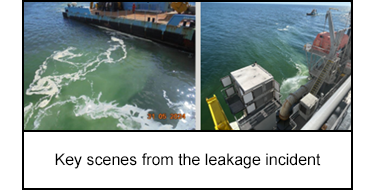
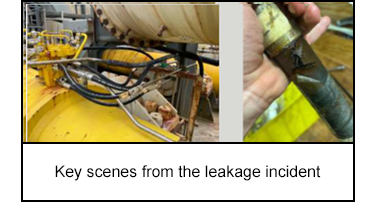
During offshore dredging operations, a hydraulic hose on a tilting cylinder failed.
This resulted in a significant oil spill into the sea.
The hose had previously been replaced and was scheduled for future maintenance.
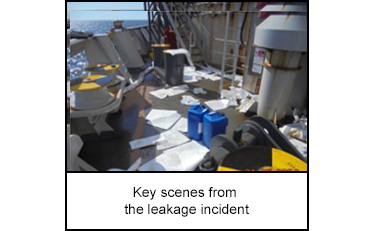
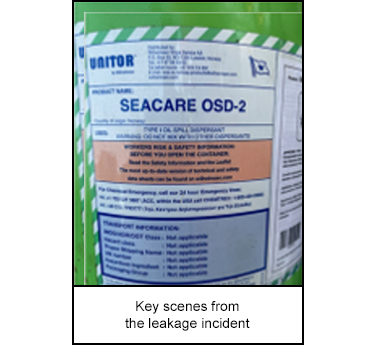
A temporary containment method was used, including dispersants.
The response did not align with the organisation’s environmental management plan.
-
Why did it happen?
The hose may have experienced internal damage from mechanical impact as no visible signs of failure were present before the incident.
The use of dispersants was not compliant with local regulations or internal policies.
Response personnel lacked adequate training on approved procedures.
Preventive maintenance and emergency response planning were insufficient.
-
What did they learn?
Maintenance schedule should be risk-based, as well as time-based.
Emergency response plans must reflect current regulation and internal standards.
Personnel need regular training on pollution control and emergency procedures.
Manufacturer analysis of failed components can improve future reliability.
Clear communication and co-ordination are essential during environmental incidents.
-
Ask yourself or your crew
Are maintenance practices proactive and risk-informed?
Do we fully understand and comply with environmental response protocols?
How effective is our training for pollution incidents?
What checks are in place to ensure hydraulic systems are safe?
Add to homescreen
Content name
Select existing category:
Content name
New collection
Edit collection

What happened?
During offshore dredging operations, a hydraulic hose on a tilting cylinder failed.
This resulted in a significant oil spill into the sea.
The hose had previously been replaced and was scheduled for future maintenance.
A temporary containment method was used, including dispersants.
The response did not align with the organisation’s environmental management plan.

Why did it happen?
The hose may have experienced internal damage from mechanical impact as no visible signs of failure were present before the incident.
The use of dispersants was not compliant with local regulations or internal policies.
Response personnel lacked adequate training on approved procedures.
Preventive maintenance and emergency response planning were insufficient.

What did they learn?
Maintenance schedule should be risk-based, as well as time-based.
Emergency response plans must reflect current regulation and internal standards.
Personnel need regular training on pollution control and emergency procedures.
Manufacturer analysis of failed components can improve future reliability.
Clear communication and co-ordination are essential during environmental incidents.

Ask yourself or your crew
Are maintenance practices proactive and risk-informed?
Do we fully understand and comply with environmental response protocols?
How effective is our training for pollution incidents?
What checks are in place to ensure hydraulic systems are safe?
A failed hydraulic hose caused a significant offshore oil spill, highlighting gaps in environmental response procedures.