-
What happened?
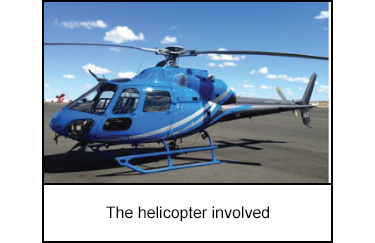
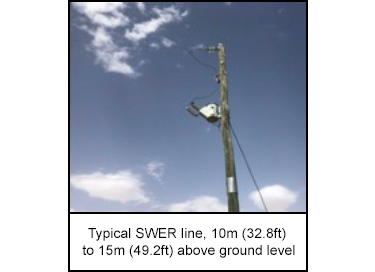
When carrying out a pipeline surveillance activity, a helicopter clipped a single wire earth return (SWER) powerline.
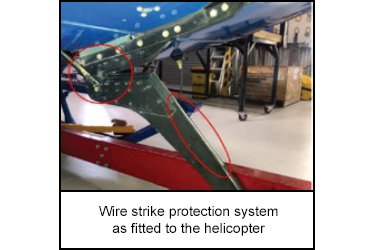
The SWER line was severed by the Wire strike protection system fitted to the helicopter. One pole was brought down.
Electrical supply was interrupted to two customers but restored within a few hours.
There were no injuries to the helicopter pilot, the single passenger on board or any other persons.
-
Why did it happen?
Using helicopters had become normalised particularly in pipeline operations. There was a long-standing operational history with the aviation service provider and the aircraft (dating back to 2009). An aviation consultant approved use of the aircraft in 2017. As such, use of this aircraft for this activity was not challenged.
Low level flying had become a normalised behaviour. The pilot had conducted considerable hours of low-level flights for clients in the region. The pilot was conducting operations below the nominated 200ft (70m) above ground level survey heights as per the aviation service provider procedures. On the first day of the two-day pipeline survey operation the same aircraft had flown under another SWER powerline located over a different pipeline.
A radio altimeter (RAD-ALT) with low altitude alarm was not fitted to the aircraft. The aircraft had been approved for use with the RAD-ALT not fitted in 2017 by an aviation consultant. This deviation from standard had not been re-visited since 2017.
SWER powerlines are difficult to visually identify whilst flying. The pilot incorrectly identified a powerline in the distance as the first of two powerlines when there was one directly in front of the aircraft.
-
What did they learn?
Investigate alternatives to manned flight operations to eliminate/reduce the exposure to aviation risk. This should include a review of alternate technologies such as cameras on helicopters, drones and other methods.
Ensure that health, safety and environment (HSE) risk controls contained within the terms and conditions of the contract are included in the contract assurance plan to ensure these controls are tested periodically. Heavy reliance on the expertise of independent consultants and the capability of the aviation service providers to maintain safety, may have led to a team losing a sense of chronic unease towards using helicopters.
-
Ask yourself or your crew
Does your company use helicopters? Have you investigated alternatives? When was the last time you reviewed your aviation assurance and contract management processes?
Does your helicopter operate at low altitudes? Is a radio altimeter with low altitude alarm fitted? How do you identify SWER powerlines?
How do we know the risk controls/barriers are working?
What improvements or changes should we make to the procedures, controls/barriers, or the way we work?
Add to homescreen
Content name
Select existing category:
Content name
New collection
Edit collection

What happened?
When carrying out a pipeline surveillance activity, a helicopter clipped a single wire earth return (SWER) powerline.
The SWER line was severed by the Wire strike protection system fitted to the helicopter. One pole was brought down.
Electrical supply was interrupted to two customers but restored within a few hours.
There were no injuries to the helicopter pilot, the single passenger on board or any other persons.

Why did it happen?
Using helicopters had become normalised particularly in pipeline operations. There was a long-standing operational history with the aviation service provider and the aircraft (dating back to 2009). An aviation consultant approved use of the aircraft in 2017. As such, use of this aircraft for this activity was not challenged.
Low level flying had become a normalised behaviour. The pilot had conducted considerable hours of low-level flights for clients in the region. The pilot was conducting operations below the nominated 200ft (70m) above ground level survey heights as per the aviation service provider procedures. On the first day of the two-day pipeline survey operation the same aircraft had flown under another SWER powerline located over a different pipeline.
A radio altimeter (RAD-ALT) with low altitude alarm was not fitted to the aircraft. The aircraft had been approved for use with the RAD-ALT not fitted in 2017 by an aviation consultant. This deviation from standard had not been re-visited since 2017.
SWER powerlines are difficult to visually identify whilst flying. The pilot incorrectly identified a powerline in the distance as the first of two powerlines when there was one directly in front of the aircraft.

What did they learn?
Investigate alternatives to manned flight operations to eliminate/reduce the exposure to aviation risk. This should include a review of alternate technologies such as cameras on helicopters, drones and other methods.
Ensure that health, safety and environment (HSE) risk controls contained within the terms and conditions of the contract are included in the contract assurance plan to ensure these controls are tested periodically. Heavy reliance on the expertise of independent consultants and the capability of the aviation service providers to maintain safety, may have led to a team losing a sense of chronic unease towards using helicopters.

Ask yourself or your crew
Does your company use helicopters? Have you investigated alternatives? When was the last time you reviewed your aviation assurance and contract management processes?
Does your helicopter operate at low altitudes? Is a radio altimeter with low altitude alarm fitted? How do you identify SWER powerlines?
How do we know the risk controls/barriers are working?
What improvements or changes should we make to the procedures, controls/barriers, or the way we work?
A helicopter clipped an overhead SWER powerline during low level pipeline surveillance, causing infrastructure damage but no injuries.
Original material courtesy of Safer Together (Australia)
To access the PDF and PowerPoint versions, please visit https://www.safertogether.com.au/learning-event-bulletins/travel-by-helicopter-collision-learning-event-bulletin