-
What happened?
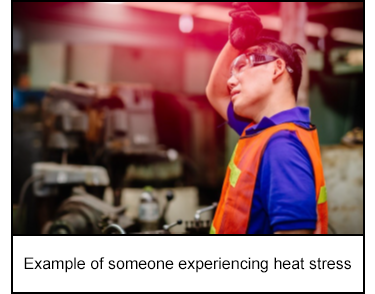
Four people experienced heat related illnesses requiring medical treatment when their indoor working and living environment experienced a series of power outages and limited heating ventilation and air conditioning (HVAC) capability.
-
Why did it happen?
Limited HVAC availability following the power outage increased the temperature and humidity in the accommodation areas and the substructure. As a result, personnel were conducting physically demanding work and living in hot conditions with limited airflow.
Other factors that contributed to personnel experiencing symptoms of heat related illness included:
- The power outage impacted communications equipment, resulting in increased physical activity requiring frequent ascending / descending stairs to communicate information and messages face to face
- Limited ‘cool rest areas’ available to personnel to cool down
- Increased accommodation temperatures resulting in reduced ability to sleep
- Reduced food intake, personnel found themselves “too hot to eat”
- Increased sweating experienced by personnel
- Fatigue – increased awake hours due to mustering, emergency and event response requirements, unfavourable sleeping conditions and reduced food intake (lack of energy)
-
What did they learn?
Heat related illnesses were caused by a combination of factors and not one single factor.
Frontline workers should:
- Participate in heat stress risk assessment
- Begin their shift fit for work
- Not skip risk assessed cool down breaks
- Rest in a cool environment
- Monitor their hydration level, practice self pacing
- Monitor work mates for heat stress symptoms

-
Ask yourself or your crew
Do you work and live in a hot indoor environment?
What are the common symptoms of heat stress? Do you monitor yourself and others for symptoms? How should you respond if you detect symptoms of heat stress?
What measures do you take to manage heat stress risk in your workplace?
Have you and your team used the Safer Together Heat Stress e-learn tool?

Add to homescreen
Content name
Select existing category:
Content name
New collection
Edit collection

What happened?
Four people experienced heat related illnesses requiring medical treatment when their indoor working and living environment experienced a series of power outages and limited heating ventilation and air conditioning (HVAC) capability.

Why did it happen?
Limited HVAC availability following the power outage increased the temperature and humidity in the accommodation areas and the substructure. As a result, personnel were conducting physically demanding work and living in hot conditions with limited airflow.
Other factors that contributed to personnel experiencing symptoms of heat related illness included:
- The power outage impacted communications equipment, resulting in increased physical activity requiring frequent ascending / descending stairs to communicate information and messages face to face
- Limited ‘cool rest areas’ available to personnel to cool down
- Increased accommodation temperatures resulting in reduced ability to sleep
- Reduced food intake, personnel found themselves “too hot to eat”
- Increased sweating experienced by personnel
- Fatigue – increased awake hours due to mustering, emergency and event response requirements, unfavourable sleeping conditions and reduced food intake (lack of energy)

What did they learn?
Heat related illnesses were caused by a combination of factors and not one single factor.
Frontline workers should:
- Participate in heat stress risk assessment
- Begin their shift fit for work
- Not skip risk assessed cool down breaks
- Rest in a cool environment
- Monitor their hydration level, practice self pacing
- Monitor work mates for heat stress symptoms

Ask yourself or your crew
Do you work and live in a hot indoor environment?
What are the common symptoms of heat stress? Do you monitor yourself and others for symptoms? How should you respond if you detect symptoms of heat stress?
What measures do you take to manage heat stress risk in your workplace?
Have you and your team used the Safer Together Heat Stress e-learn tool?
Four workers suffered heat‑related illness after indoor power outages reduced HVAC and cooling, increasing temperatures, fatigue and physical exertion.
Original material courtesy of Safer Together (Australia)
Heat Management of Heat Stress: https://www.safertogether.com.au/resources/products-and-programs/management-heat-stress-guideline
Assist & Assure – Step 7 transition to work: https://www.safertogether.com.au/resources/products-and-programs/assist-assure