-
What happened?
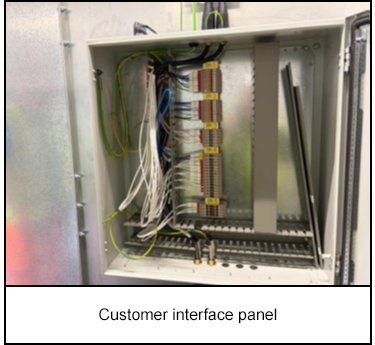
A worker received an electric shock while terminating a control cable into the customer interface panel in a prefabricated control building.
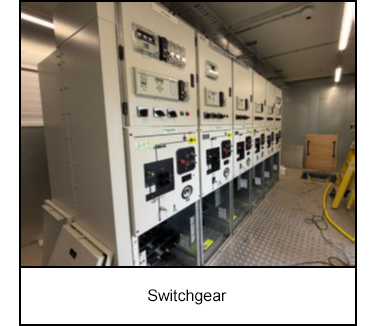
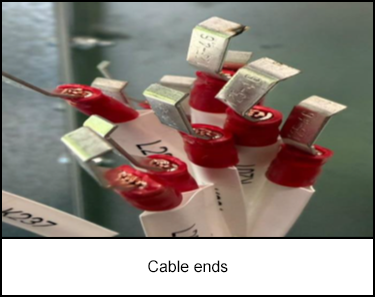
One end of the cable had been pre-terminated within the 33 kV switchgear incomer panel before arrival at site.
The switchgear was energised that morning to allow commissioning of the high-voltage (HV) switchgear. This meant a live 60 V direct current (DC) supply was present on the cable being worked on.
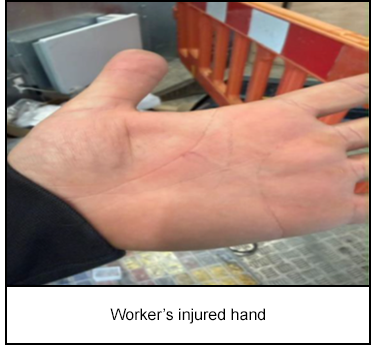
The worker sustained a minor injury to their left hand and was taken to the site office, where they declined first aid and returned to work.
The incident was not reportable under the Reporting of Injuries, Diseases and Dangerous Occurrences Regulations (RIDDOR).
All DC circuits in the work area were immediately isolated and locked off, work was suspended and a full investigation was undertaken.
The outcome could have been far more serious.
-
Why did it happen?
The investigation identified several areas for improvement and demonstrated that the work was not being controlled adequately.
Interface management was lacking.
Communication was poor across multiple levels.
Safe isolation procedures were not followed.
The safe system of work (SSoW) and risk assessments and method statements (RAMS) were not adequate for the work taking place.
Change management procedures were not followed.
-
What did they learn?
Ensure interface management arrangements clearly control work across connected systems and parties.
Improve communication across all levels involved in commissioning and cable termination work.
Follow safe isolation procedures before work begins.
Ensure the safe system of work and risk assessments and method statements are adequate for the work taking place.
Follow change management procedures when energisation or other changes introduce new hazards.
-
Ask yourself or your crew
How can something like this happen here, for example on our site?
What safety measures, procedures, controls or barriers do we have in place to mitigate the risk of electric shock?
How do we know that isolation controls and communication arrangements are working?
How do we confirm the status of every cable and connected supply before cable termination begins?
What improvements or changes should we make to the procedures, controls, barriers or the way we work?
Add to homescreen
Content name
Select existing category:
Content name
New collection
Edit collection

What happened?
A worker received an electric shock while terminating a control cable into the customer interface panel in a prefabricated control building.
One end of the cable had been pre-terminated within the 33 kV switchgear incomer panel before arrival at site.
The switchgear was energised that morning to allow commissioning of the high-voltage (HV) switchgear. This meant a live 60 V direct current (DC) supply was present on the cable being worked on.
The worker sustained a minor injury to their left hand and was taken to the site office, where they declined first aid and returned to work.
The incident was not reportable under the Reporting of Injuries, Diseases and Dangerous Occurrences Regulations (RIDDOR).
All DC circuits in the work area were immediately isolated and locked off, work was suspended and a full investigation was undertaken.
The outcome could have been far more serious.

Why did it happen?
The investigation identified several areas for improvement and demonstrated that the work was not being controlled adequately.
Interface management was lacking.
Communication was poor across multiple levels.
Safe isolation procedures were not followed.
The safe system of work (SSoW) and risk assessments and method statements (RAMS) were not adequate for the work taking place.
Change management procedures were not followed.

What did they learn?
Ensure interface management arrangements clearly control work across connected systems and parties.
Improve communication across all levels involved in commissioning and cable termination work.
Follow safe isolation procedures before work begins.
Ensure the safe system of work and risk assessments and method statements are adequate for the work taking place.
Follow change management procedures when energisation or other changes introduce new hazards.

Ask yourself or your crew
How can something like this happen here, for example on our site?
What safety measures, procedures, controls or barriers do we have in place to mitigate the risk of electric shock?
How do we know that isolation controls and communication arrangements are working?
How do we confirm the status of every cable and connected supply before cable termination begins?
What improvements or changes should we make to the procedures, controls, barriers or the way we work?
A worker received an electric shock while terminating a control cable after a live direct current supply was introduced during commissioning.