-
What happened?
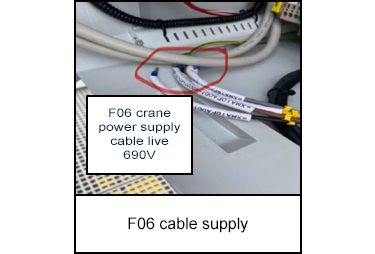
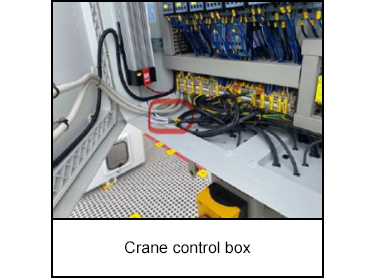
Technicians discovered that a crane at an offshore substation was non-operational.
An investigation revealed the 690V power supply cable was disconnected from its terminal.
The offshore team opened the cabinet to inspect without confirming proper isolation.
The incident posed a high potential (Hi-Po) risk for electrical injury or equipment damage.
-
Why did it happen?
The power supply cable was not connected properly during installation.
Isolation procedures were not verified before accessing the electrical cabinet.
There was a lack of thorough inspection and confirmation of energisation status.
There were communication gaps between contractors and offshore teams.
There was inadequate adherence to health and safety protocols and hook-up agreements.

-
What did they learn?
Always verify power supply status before and after installation.
Isolation procedures must be strictly followed and documented.
Conduct thorough inspections during commissioning and maintenance.
Maintain clear communication with contractors regarding equipment status.
Adhere to health and safety requirements and ensure hook-up agreements are signed.
-
Ask yourself or your crew
How do we verify electrical isolation before accessing equipment?
Are our inspection procedures thorough enough to catch installation errors?
What safeguards are in place to prevent energisation near misses?
How do we ensure contractors follow health and safety protocols consistently?

Add to homescreen
Content name
Select existing category:
Content name
New collection
Edit collection

What happened?
Technicians discovered that a crane at an offshore substation was non-operational.
An investigation revealed the 690V power supply cable was disconnected from its terminal.
The offshore team opened the cabinet to inspect without confirming proper isolation.
The incident posed a high potential (Hi-Po) risk for electrical injury or equipment damage.

Why did it happen?
The power supply cable was not connected properly during installation.
Isolation procedures were not verified before accessing the electrical cabinet.
There was a lack of thorough inspection and confirmation of energisation status.
There were communication gaps between contractors and offshore teams.
There was inadequate adherence to health and safety protocols and hook-up agreements.

What did they learn?
Always verify power supply status before and after installation.
Isolation procedures must be strictly followed and documented.
Conduct thorough inspections during commissioning and maintenance.
Maintain clear communication with contractors regarding equipment status.
Adhere to health and safety requirements and ensure hook-up agreements are signed.

Ask yourself or your crew
How do we verify electrical isolation before accessing equipment?
Are our inspection procedures thorough enough to catch installation errors?
What safeguards are in place to prevent energisation near misses?
How do we ensure contractors follow health and safety protocols consistently?
A disconnected 690V cable left an offshore crane inoperable, and inspection without isolation created a high-potential electrical hazard.