-
What happened?
A plant was shut down due to a tier 2 gas leak from a gas inlet header.
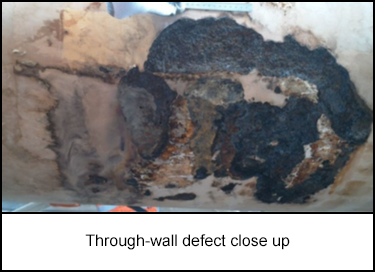
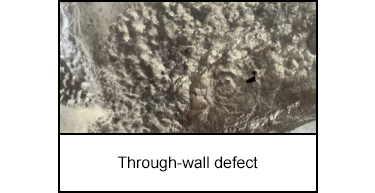
Two through-wall defects were identified.
Total loss over the preceding weeks was estimated at 180 tonnes (397,000 pounds).
Subsequent investigation revealed extensive corrosion under insulation (CUI) in the process circuits of the plant.
Rolling outages for almost 4 weeks were undertaken while the issue was explored and mitigating controls put in place.
-
Why did it happen?
Design / construction:
- The design of the insulation allowed water to get in but prevented it getting out.
- The insulation was made of rock wool – which is hydrophilic – and kept water in contact with the piping for an extended period.
- Issues were identified with the application of the piping coating product, including lack of adhesion; surface contamination; and coating thickness below the original equipment manufacturer (OEM) specifications.
CUI management program:
- When assessing CUI risk using the CUI consequence assessment model (CCAM) tool, the facility had made generic assumptions about coating life and corrosion rate that were inaccurate given the local environment.
- The detection of a CUI instance 2 years earlier was explained as an ‘outlier’ event and erroneous corrosion assumptions remained in place.
- A visual inspection program undertaken in the year prior to the Loss of Containment event determined that the gas circuit was fit for continued service, as the lagging appeared externally normal. The next visual inspection under insulation was scheduled for 4 years later.
-
What did they learn?
CUI is a localised damage mechanism. Generic assumptions used to assess CUI risk must be validated and challenged when new information becomes available.
CUI is not just a problem for ageing facilities – it can occur early in the life of a facility. In this case the facility was 7.5 years old.
Progression of CUI is very difficult to predict, as small changes in local conditions can cause large variation.
-
Ask yourself or your crew
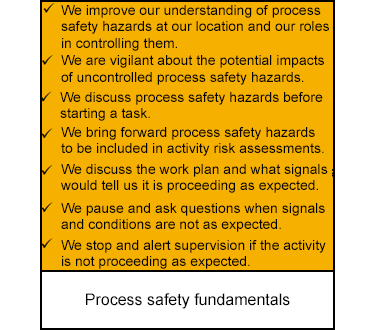
What is the condition of pressure equipment under insulation in your facility? How do you know this?
What controls does your safety case / risk assessment define for CUI? Are they in place?
What assumptions did you make when determining inspection protocols for CUI? What data did you use to validate these assumptions?
Have you received any warning signals about CUI? Have you used them to test your assumptions?

Add to homescreen
Content name
Select existing category:
Content name
New collection
Edit collection

What happened?
A plant was shut down due to a tier 2 gas leak from a gas inlet header.
Two through-wall defects were identified.
Total loss over the preceding weeks was estimated at 180 tonnes (397,000 pounds).
Subsequent investigation revealed extensive corrosion under insulation (CUI) in the process circuits of the plant.
Rolling outages for almost 4 weeks were undertaken while the issue was explored and mitigating controls put in place.

Why did it happen?
Design / construction:
- The design of the insulation allowed water to get in but prevented it getting out.
- The insulation was made of rock wool – which is hydrophilic – and kept water in contact with the piping for an extended period.
- Issues were identified with the application of the piping coating product, including lack of adhesion; surface contamination; and coating thickness below the original equipment manufacturer (OEM) specifications.
CUI management program:
- When assessing CUI risk using the CUI consequence assessment model (CCAM) tool, the facility had made generic assumptions about coating life and corrosion rate that were inaccurate given the local environment.
- The detection of a CUI instance 2 years earlier was explained as an ‘outlier’ event and erroneous corrosion assumptions remained in place.
- A visual inspection program undertaken in the year prior to the Loss of Containment event determined that the gas circuit was fit for continued service, as the lagging appeared externally normal. The next visual inspection under insulation was scheduled for 4 years later.

What did they learn?
CUI is a localised damage mechanism. Generic assumptions used to assess CUI risk must be validated and challenged when new information becomes available.
CUI is not just a problem for ageing facilities – it can occur early in the life of a facility. In this case the facility was 7.5 years old.
Progression of CUI is very difficult to predict, as small changes in local conditions can cause large variation.

Ask yourself or your crew
What is the condition of pressure equipment under insulation in your facility? How do you know this?
What controls does your safety case / risk assessment define for CUI? Are they in place?
What assumptions did you make when determining inspection protocols for CUI? What data did you use to validate these assumptions?
Have you received any warning signals about CUI? Have you used them to test your assumptions?
A gas leak caused by hidden corrosion under insulation led to a plant shutdown and an estimated loss of 180 tonnes (397,000 lb) of gas.
Original material courtesy of Safer Together (Australia)
To access the PDF and PowerPoint versions, please visit https://www.safertogether.com.au/learning-event-bulletins/maintaining-process-equipment-loss-of-containment-aug-2024