-
What happened?
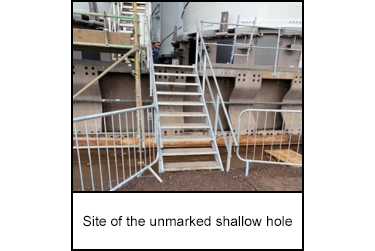
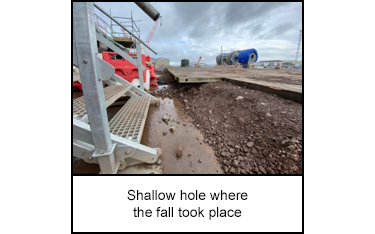
A technician was conducting an onshore site inspection when they stepped into a shallow hole.
The hole was obscured by surrounding terrain and not clearly marked.
The technician twisted their ankle and fell to the ground.
Immediate assistance was provided and the technician was taken for medical evaluation on site and found to have only very minor injuries.
-
Why did it happen?
The site had uneven terrain with small shallow pits and no clear marking or signage to warn personnel of the hazard.
Routine inspections did not identify or mitigate the risk beforehand.
The technician was not wearing high-ankle protective footwear.
There was no buddy system or supervision in place during the walk.
Environmental conditions may have contributed to poor visibility of the hazard.
-
What did they learn?
Site terrain should be regularly inspected and hazards clearly marked.
Personnel should be briefed on terrain risks before site walks.
Use of appropriate footwear can reduce injury risk.
Implementing a buddy system can improve response time in case of incidents.
Environmental factors should be considered when planning site activities.
Hazard identification should be part of routine safety checks.

-
Ask yourself or your crew
Are all site hazards clearly marked and communicated to personnel?
Do we conduct regular terrain inspections to identify new risks?
Are personnel equipped with appropriate footwear for site conditions?
Is there a buddy system in place for site walks?
How can we improve visibility and awareness of terrain hazards?

Add to homescreen
Content name
Select existing category:
Content name
New collection
Edit collection

What happened?
A technician was conducting an onshore site inspection when they stepped into a shallow hole.
The hole was obscured by surrounding terrain and not clearly marked.
The technician twisted their ankle and fell to the ground.
Immediate assistance was provided and the technician was taken for medical evaluation on site and found to have only very minor injuries.

Why did it happen?
The site had uneven terrain with small shallow pits and no clear marking or signage to warn personnel of the hazard.
Routine inspections did not identify or mitigate the risk beforehand.
The technician was not wearing high-ankle protective footwear.
There was no buddy system or supervision in place during the walk.
Environmental conditions may have contributed to poor visibility of the hazard.

What did they learn?
Site terrain should be regularly inspected and hazards clearly marked.
Personnel should be briefed on terrain risks before site walks.
Use of appropriate footwear can reduce injury risk.
Implementing a buddy system can improve response time in case of incidents.
Environmental factors should be considered when planning site activities.
Hazard identification should be part of routine safety checks.

Ask yourself or your crew
Are all site hazards clearly marked and communicated to personnel?
Do we conduct regular terrain inspections to identify new risks?
Are personnel equipped with appropriate footwear for site conditions?
Is there a buddy system in place for site walks?
How can we improve visibility and awareness of terrain hazards?
During a site inspection, a technician stepped into an unmarked hole, twisted their ankle, and fell. Minor injuries were confirmed after on-site medical assessment.