-
What happened?
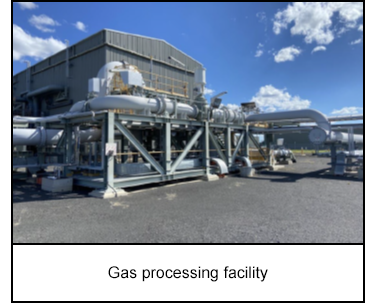
An inlet separator water boot level control valve failed to close at a gas processing facility, causing both water and gas blow-by to the puraceptor.
The on-call operator assumed the valve had failed closed.
The loss of containment was identified by the operator when they arrived on site the next morning.
The blow-by lasted for approximately 12 hrs 40 mins.
Discharge of methane was calculated to be approximately 2,300kg (5071lbs) (Tier 2 release).
-
Why did it happen?
Water boot level control valve failed to close causing both water and gas blow-by to oily water separator.
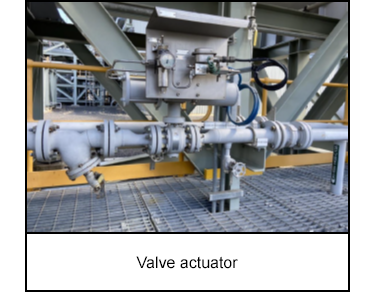
- There was internal corrosion to the valve actuator.
- Weather exposure and the age of the O-ring seal had allowed water to leak into the actuator, causing internal corrosion.
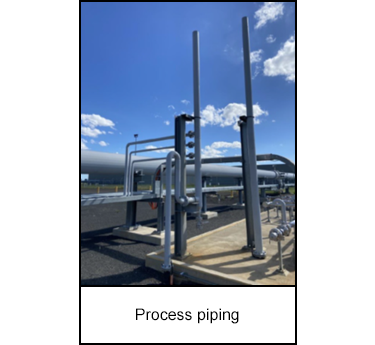
- The valve had been in service for more than 8 years. Solids are entrained in the gas flow. These particulates are fine. Y strainers upstream of the valve are designed for removal of coarse particulates. Internal corrosion, coal fines and interburden found in the valve body, inhibiting its operation.
Call-out response not acted upon.
- Feedback alarms were misinterpreted. The facility was not known for producing liquid in the separator boot. Due to the alarm sequence, the Operator determined that the valve must be stuck in the closed position.
-
What did they learn?
Review alarms that have the potential for loss of containment. Answer back (valve has failed to close) alarms when it has latched.
Review rotable overhaul for inlet separator control valves and valves on suction scrubbers.
-
Ask yourself or your crew
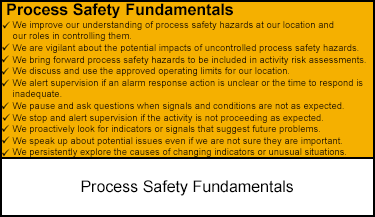
Do you operate process equipment? Are you familiar with alarms that may indicate a loss of containment? How recently have you re-familiarised yourself with the effectiveness of your critical control alarms? How do you respond to these alarms? Do you challenge your assumptions? Are you aware of your bias and know how to overcome it?
Do you maintain gas processing equipment? Has the possible presence of fine particulates been considered in the design of your process equipment and maintenance schedules?
Add to homescreen
Content name
Select existing category:
Content name
New collection
Edit collection

What happened?
An inlet separator water boot level control valve failed to close at a gas processing facility, causing both water and gas blow-by to the puraceptor.
The on-call operator assumed the valve had failed closed.
The loss of containment was identified by the operator when they arrived on site the next morning.
The blow-by lasted for approximately 12 hrs 40 mins.
Discharge of methane was calculated to be approximately 2,300kg (5071lbs) (Tier 2 release).

Why did it happen?
Water boot level control valve failed to close causing both water and gas blow-by to oily water separator.
- There was internal corrosion to the valve actuator.
- Weather exposure and the age of the O-ring seal had allowed water to leak into the actuator, causing internal corrosion.
- The valve had been in service for more than 8 years. Solids are entrained in the gas flow. These particulates are fine. Y strainers upstream of the valve are designed for removal of coarse particulates. Internal corrosion, coal fines and interburden found in the valve body, inhibiting its operation.
Call-out response not acted upon.
- Feedback alarms were misinterpreted. The facility was not known for producing liquid in the separator boot. Due to the alarm sequence, the Operator determined that the valve must be stuck in the closed position.

What did they learn?
Review alarms that have the potential for loss of containment. Answer back (valve has failed to close) alarms when it has latched.
Review rotable overhaul for inlet separator control valves and valves on suction scrubbers.

Ask yourself or your crew
Do you operate process equipment? Are you familiar with alarms that may indicate a loss of containment? How recently have you re-familiarised yourself with the effectiveness of your critical control alarms? How do you respond to these alarms? Do you challenge your assumptions? Are you aware of your bias and know how to overcome it?
Do you maintain gas processing equipment? Has the possible presence of fine particulates been considered in the design of your process equipment and maintenance schedules?
Control valve failure and misinterpreted alarms resulted in a 12-hour methane release at a gas processing facility.
Original material courtesy of Safer Together (Australia)
To access the PDF and PowerPoint versions, please visit https://www.safertogether.com.au/learning-event-bulletins/operating-process-equipment-loss-of-containment-leb-toolbox-2
Safer Together Process Safety Awareness Video: Maintain It: https://www.safertogether.com.au/resources/products-and-programs/maintain-it
Safer Together Process Safety Awareness Video: We all Have a Part to Play: https://www.safertogether.com.au/resources/products-and-programs/process-safety-we-all-have-a-part-to-play
Safer Together Contain It: https://www.safertogether.com.au/resources/products-and-programs/contain-it-wa-nt